
Occupied-Site Phasing, Access & Dust Control
ការបែងចែកដំណាក់កាលការងារ ការគ្រប់គ្រងច្រកចេញចូល និងធូលី ក្នុងអគារដែលកំពុងប្រើប្រាស់
1. Simple Meaning — អត្ថន័យងាយយល់
Occupied-Site Phasing, Access & Dust Control means organizing construction or renovation work in a building that is still being used by people, while keeping occupants safe, maintaining access, and preventing dust from spreading.
ជាភាសាខ្មែរ៖ គឺជាការរៀបចំការងារសាងសង់ ឬជួសជុល ជាដំណាក់កាល នៅក្នុងអគារដែលនៅមាន មនុស្សរស់នៅ ឬកំពុងប្រើប្រាស់ ដោយធានាសុវត្ថិភាព ផ្លូវចេញចូល និងការពារធូលីមិនឱ្យរាលដាល ទៅតំបន់ផ្សេងៗ។
Renovating a shop while the owner continues operating the business. The contractor renovates one section at a time, protects customer walkways, and installs temporary dust barriers.
2. Understand the Three Main Parts

1. Occupied-Site Phasing — ការបែងចែកការងារជាដំណាក់កាល
Dividing construction into separate zones or time periods so occupants can continue using unaffected areas.
Example: Renovate Zone A first while Zone B remains open.

2. Access Control — ការគ្រប់គ្រងច្រកចេញចូល
Providing safe, clearly marked routes for occupants, workers, material deliveries, and emergencies.
Example: Set up a protected customer walkway separate from the construction entrance.

3. Dust Control — ការគ្រប់គ្រងធូលី
Preventing construction dust from spreading into occupied spaces.
Example: Install sealed partitions, use suitable dust extraction, and clean the work zone daily.
3. Main Differences — ភាពខុសគ្នា
| Activity | Main Focus | Main Question |
|---|---|---|
| Phasing | Work sequence | Where and when can we work? |
| Access | Safe movement | How can people enter and exit safely? |
| Dust Control | Air and cleanliness | How do we stop dust spreading? |
Phasing:
Work area by area.
Access:
Keep people moving safely.
Dust Control:
Keep dust inside the work zone.
4. Main Activities — ការងារសំខាន់ៗ
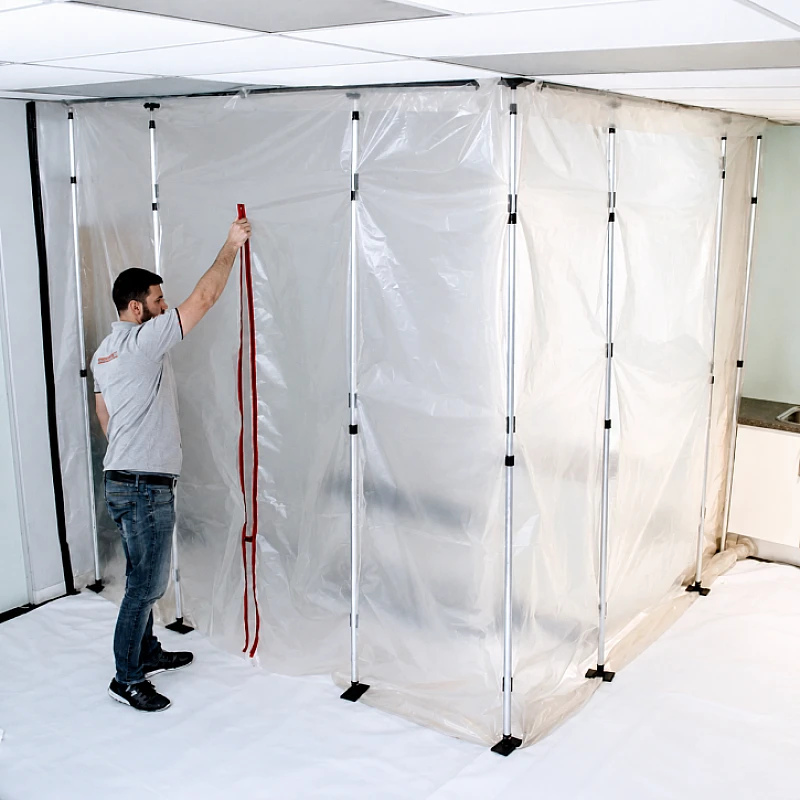
A. Work-Zone Separation
- Divide the building into work and occupied zones.
- Install temporary partitions or barriers.
- Protect furniture and existing finishes.
- Provide controlled work-zone entrances.
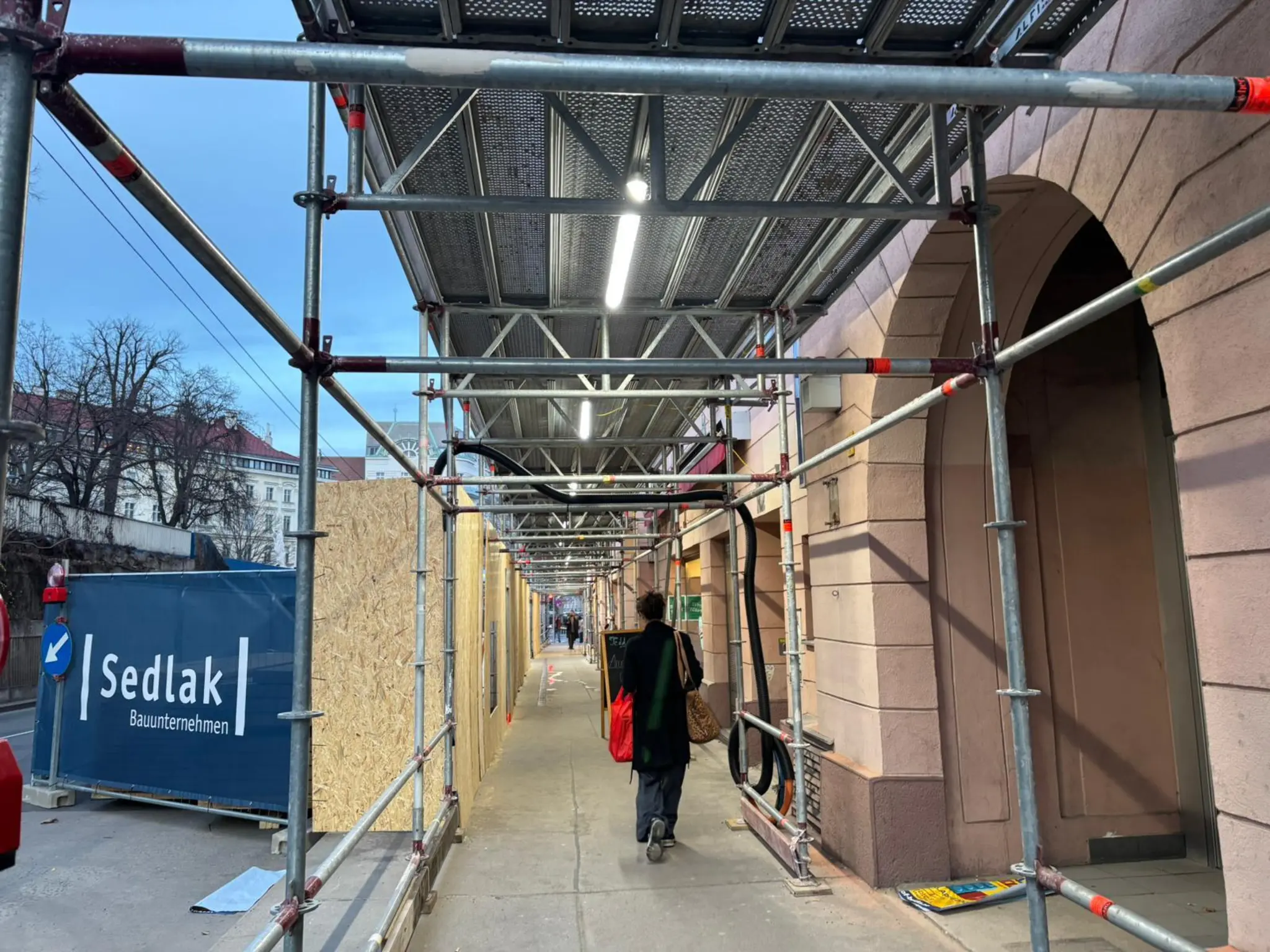
B. Access & Occupant Protection
- Provide safe pedestrian routes.
- Install signs and protective barriers.
- Schedule deliveries during suitable hours.
- Keep emergency exits and essential services available.
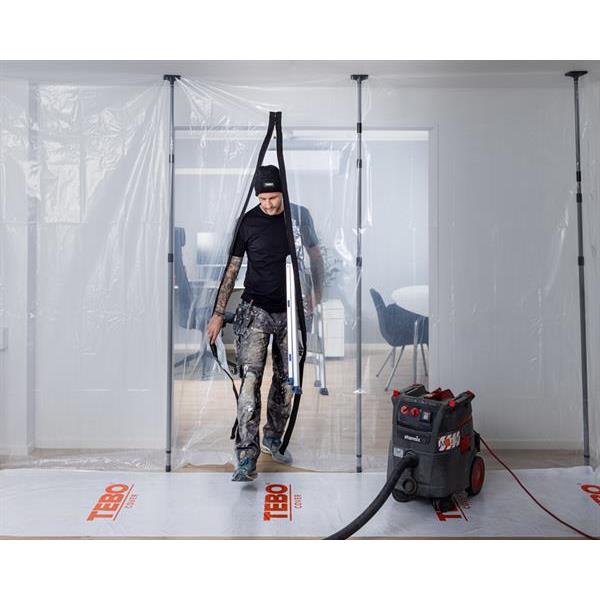
C. Dust & Airflow Management
- Install properly sealed dust barriers.
- Use suitable HEPA filtration or extraction.
- Control ventilation pathways.
- Clean and inspect work areas before reopening.
EPA guidance recommends separating work zones from occupied spaces, controlling shared ventilation pathways, containing dust at the source, and cleaning debris regularly.
5. Simple Workflow — ដំណាក់កាលអនុវត្ត
6. Practical Renovation Example — Shop Renovation
Example: A shop must continue serving customers during renovation.
Simple Occupied-Site Phasing Plan
Work
Operating
Example Sequence
- Renovate Zone A while Zone B continues operating.
- Clean and inspect Zone A, then obtain approval to reopen it.
- Move business operations into approved Zone A.
- Renovate Zone B behind new protective barriers.
- Complete final inspection and handover.
Occupied areas must remain safe and have adequate access and emergency escape routes throughout the renovation.
If safe occupancy cannot be maintained, temporarily relocate the affected occupants.
7. Practical BOQ Examples
| Work Activity | Description | BOQ Unit |
|---|---|---|
| Temporary Dust Partition | ដំឡើងរបាំងបិទធូលីបណ្តោះអាសន្ន | m² |
| Temporary Hoarding | ជញ្ជាំងការពារបណ្តោះអាសន្ន | m² |
| Protected Walkway | រៀបចំផ្លូវដើរសុវត្ថិភាព | m, m², LS |
| Dust Extraction | ឧបករណ៍បឺតធូលី និងចម្រោះខ្យល់ | day, week, LS |
| Furniture Protection | គ្របសម្ភារៈ និងគ្រឿងសង្ហារិម | m², LS |
| Phased Work Setup | រៀបចំការងារជាដំណាក់កាល | phase, LS |
| Temporary Signage | ស្លាកសញ្ញាចរាចរណ៍ និងសុវត្ថិភាព | no., LS |
| Special Cleaning | សម្អាតធូលីមុនប្រគល់តំបន់ | m², LS |
BOQ units are illustrative. Define installation, relocation, maintenance, and removal of temporary barriers separately where necessary, and avoid double counting with PRE-06, PRE-07 and PRE-08.
8. Safety & Dust-Control Requirements
មិនត្រូវឱ្យធូលី ឧបករណ៍ សម្ភារៈ ឬសកម្មភាពសាងសង់ បង្កគ្រោះថ្នាក់ ដល់មនុស្សដែលកំពុងប្រើប្រាស់អគារឡើយ។
Typical Dust-Control Measures
- Install sealed dust barriers.
- Use suitable local dust extraction or wet suppression where appropriate.
- Plan HVAC isolation and airflow pathways.
- Separate occupants from construction activities.
- Use suitable HEPA-filtered cleanup.
- Consider negative-pressure containment when required by the risk assessment.
Assess hazardous materials such as asbestos, lead-containing coatings and silica dust, together with fire safety, noise and temporary service interruptions, before selecting work methods.
Hazardous materials may require specialist assessment and controls.
Guidance: US EPA — Safe Renovation and Repair | Occupied Building Air Quality Guidance
9. Simple Checklist for 8AM
Checklist progress is saved in this browser when local storage is available.
10. Connection to WBS & BOQ
| WBS Code | PRE-12 |
|---|---|
| Work Category | Occupied-Site Phasing, Access & Dust Control |
| Khmer | ការបែងចែកដំណាក់កាលការងារ ការគ្រប់គ្រងច្រកចេញចូល និងធូលី ក្នុងអគារដែលកំពុងប្រើប្រាស់ |
| Typical BOQ Units | LS, phase, m², m, week |
| Responsible | Project Manager / Site Engineer / HSE Supervisor |
| Key Outputs | Phasing plan, access plan, dust-control plan, inspection and handover records |
BOQ Example — Occupied Office Renovation
| WBS | Description | Quantity |
|---|---|---|
| PRE-12.01 | Temporary Dust Partition | 80 m² |
| PRE-12.02 | Protected Pedestrian Access | 1 LS |
| PRE-12.03 | Dust Extraction & Air Filtration | 4 weeks |
| PRE-12.04 | Phased Work Coordination | 2 phases |
| PRE-12.05 | Special Cleaning Before Reopening | 150 m² |
Example quantities only, not a measured project estimate.
Important WBS Distinction for 8AM
| WBS | Primary Scope |
|---|---|
| PRE-05 | Demolition, Dismantling & Removal — Remove existing building components. |
| PRE-06 | Temporary Works & Protection — General temporary protection and support. |
| PRE-07 | Site Safety, Health & Environment — General HSE management and safety controls. |
| PRE-08 | Site Management & Logistics — Overall site operations and logistics. |
| PRE-12 | Occupied-Site Phasing, Access & Dust Control — Additional controls needed because people remain in the building. |
Define the boundaries between general temporary protection, site safety, site logistics, and occupied-site protection.
ត្រូវកំណត់ព្រំដែនការងាររបស់ WBS នីមួយៗឱ្យបានច្បាស់ ដើម្បីចៀសវាង ការគណនាបរិមាណ និងតម្លៃស្ទួនគ្នា។
11. Easy Way to Remember
Continue construction while keeping building occupants safe, maintaining essential operations, and minimizing dust, noise, disruption and delays.
អនុវត្តការងារជួសជុល ឬសាងសង់ ខណៈដែលអគារនៅបន្តប្រើប្រាស់ ដោយរក្សាសុវត្ថិភាព កាត់បន្ថយធូលី សំឡេងរំខាន និងផលប៉ះពាល់ដល់អ្នកប្រើប្រាស់អគារ។